Aboriginal and Torres Strait Islander Peoples media releases
Browse media releases covering Aboriginal and Torres Strait Islander topics
Aboriginal and Torres Strait Islander Peoples
Calls for reform following the DPP decision announced on the one-year anniversary of Kumanjayi White's death
Aboriginal and Torres Strait Islander Peoples
Media Release27 May 2026
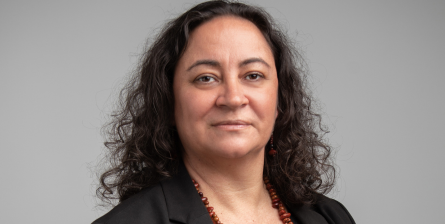
First Nations women let down by native title system
Aboriginal and Torres Strait Islander Peoples,Native Title,Social Justice
Media Release23 August 2024
States must follow through on our obligations to international treaties in prisons
Aboriginal and Torres Strait Islander Peoples,Children and youth rights,Business and Human Rights
Media Release16 August 2024
AHRC commissioners call for action on findings of Senate report on murdered and missing First Nations women
Aboriginal and Torres Strait Islander Peoples
Media Release16 August 2024
Commissioner Katie Kiss welcomes Malarndirri McCarthy as new Minister for Indigenous Australians
Aboriginal and Torres Strait Islander Peoples
Media Release29 July 2024
Commissioner Katie Kiss pays tribute to Linda Burney
Aboriginal and Torres Strait Islander Peoples
Media Release25 July 2024
Australian Human Rights Commission condemns children’s isolation cells
Children and youth rights,Aboriginal and Torres Strait Islander Peoples
Media Release19 July 2024
Social Justice Commissioner: now more than ever, Australia must reconcile with its First Nations people
Aboriginal and Torres Strait Islander Peoples
Media Release27 May 2024
Katie Kiss commences as Aboriginal and Torres Strait Islander Social Justice Commissioner
Aboriginal and Torres Strait Islander Peoples
Media Release2 April 2024