Children’s Rights Report 2019
Explore In Their Own Right: the Children's Rights Report 2019 assessing protection and promotion of children's rights across Australia and informing policy
Summary
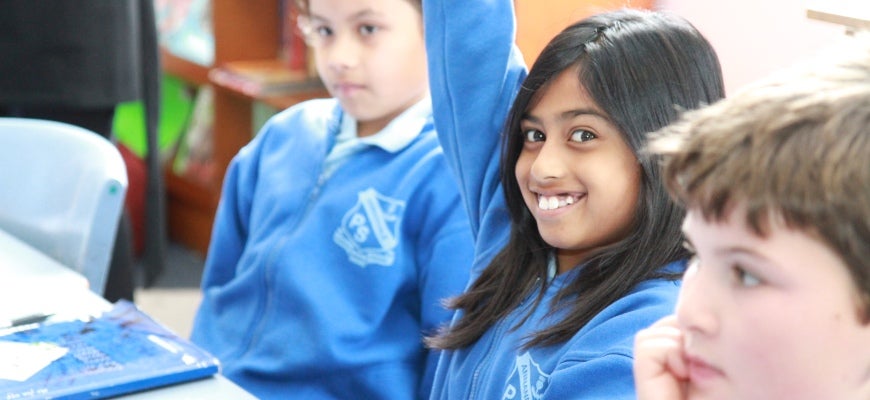
The Children’s Rights Report 2019 — In Their Own Right tells the story of how well children’s rights are protected and promoted across Australia.
Children’s Rights Report 2019
- PDF download 32.2 MB
- DOCX download 14.7 MB
Also available: Child-Friendly Report
[PDF, 22.5MB]
Submissions| Submissions | Report to the UN
It covers all the basic rights that children need to do well, like having a home and a family, getting a good education, being able to access quality health care, being safe from harm, and having a voice.
While most children in Australia live in safe, healthy environments and do well, there are some groups of children whose rights are not adequately protected, which impacts negatively on their wellbeing and ability to thrive.
This includes Aboriginal and Torres Strait Islander children, children with disability, those from culturally and linguistically diverse backgrounds, and lesbian, gay, bisexual, trans and intersex (LGBTI) children.
In Their Own Right is intended to help hold Australian governments to account for the wellbeing of our children, now and into the future. It makes recommendations to improve child wellbeing in Australia and honour our obligations to Australian children under the Convention on the Rights of the Child.
It is the final report of Megan Mitchell, Australia's inaugural National Children's Commissioner. It covers the work she has undertaken since beginning her term in 2013 .
How Australia is Progressing
| Optional Protocol to the Convention against Torture and other Cruel, Inhuman and Degrading Treatment or Punishment (OPCAT) was ratified in 2017. Establishment of Office of the National Data Commissioner in 2018. Establishment of the Office of the e-Safety Commissioner in 2013. Since 2008, the number of infant deaths (children less than one year of age) has decreased. Australian transgender and gender diverse children can now access Stage 2 medical treatment without requiring court authorisation. Royal Commission into Institutional Responses to Child Sexual Abuse issued its final report in 2017. The Australian Government has accepted or accepted in principle most recommendations directed at it. Forced marriage criminalised under federal law in 2013. National Action Plan to Combat Human Trafficking and Slavery 2015–2019. Crimes Legislation Amendment (Slavery, Slavery-like Conditions and People Trafficking) Act 2012 (Cth). | No comprehensive national plan, policy, legislation or budgeting processes to support children's rights in Australia. Australia has not ratified the Optional Protocol to the Convention on the Rights of the Child on a Communications Protocol. Insufficient disaggregated national data that meet the requirements set out by the UN Committee. Child deaths by suicide and hospitalisations for intentional self-harm have increased. Significant inequalities in health, education, justice and child protection outcomes for Aboriginal and Torres Strait Islander children. Approximately 17% of children under the age of 15 live in poverty.27% increase in reported substantiations of child abuse and neglect (2012–13 to 2016–17). The number of children in out-of-home care has increased by 18% over the last five years. Immigration detention remains mandatory for all unlawful non-citizens, including children. The age of criminal responsibility is ten, which is low compared to other countries. National security measures limit children's rights disproportionately. |
Optional Protocol to the Convention against Torture and other Cruel, Inhuman and Degrading Treatment or Punishment (OPCAT) was ratified in 2017.
- Establishment of Office of the National Data Commissioner in 2018.
- Establishment of the Office of the e-Safety Commissioner in 2013.
- Since 2008, the number of infant deaths (children less than one year of age) has decreased.
- Australian transgender and gender diverse children can now access Stage 2 medical treatment without requiring court authorisation.
- Royal Commission into Institutional Responses to Child Sexual Abuse issued its final report in 2017. The Australian Government has accepted or accepted in principle most recommendations directed at it.
- Forced marriage criminalised under federal law in 2013.
- National Action Plan to Combat Human Trafficking and Slavery 2015–2019.
Crimes Legislation Amendment (Slavery, Slavery-like Conditions and People Trafficking) Act 2012 (Cth).
- No comprehensive national plan, policy, legislation or budgeting processes to support children's rights in Australia.
Australia has not ratified the Optional Protocol to the Convention on the Rights of the Child on a Communications Protocol .
- Insufficient disaggregated national data that meet the requirements set out by the UN Committee.
- Child deaths by suicide and hospitalisations for intentional self-harm have increased.
- Significant inequalities in health, education, justice and child protection outcomes for Aboriginal and Torres Strait Islander children.
- Approximately 17% of children under the age of 15 live in poverty.
- 27% increase in reported substantiations of child abuse and neglect (2012–13 to 2016–17).
- The number of children in out-of-home care has increased by 18% over the last five years.
- Immigration detention remains mandatory for all unlawful non-citizens, including children.
- The age of criminal responsibility is ten, which is low compared to other countries.
- National security measures limit children's rights disproportionately.
Background
One of the challenges in producing this report is that significant data gaps exist, meaning it is difficult to meet the monitoring requirements set out by the United Nations Committee on the Rights of the Child (the Committee).
In Their Own Right is particularly timely as, in September 2019, Australia appeared before the Committee to answer questions about how it is working to advance the rights of children in Australia.
Key recommendations made by the Committee urge the Australian Government to take action on protecting children from violence; out-of-home care; mental health; climate change; asylum seeking, refugee and migrant children; and the administration of justice. These recommendations are included in the Appendix to this report.