Climate change and human rights
Learn how climate change affects your human rights and what you can do to protect them.

Summary
Climate change isn’t just about melting ice caps or rising sea levels - it’s about how people live, survive and thrive. It affects our health, safety, homes, food, water, jobs and future. That’s why climate change is also a human rights issue.
As the world’s weather becomes more extreme, people’s basic rights are at risk. Some groups like First Peoples communities, children, people with disabilities and those living in poverty, are hit hardest.
How climate change affects our rights
Here’s how climate change is already impacting human rights in Australia:
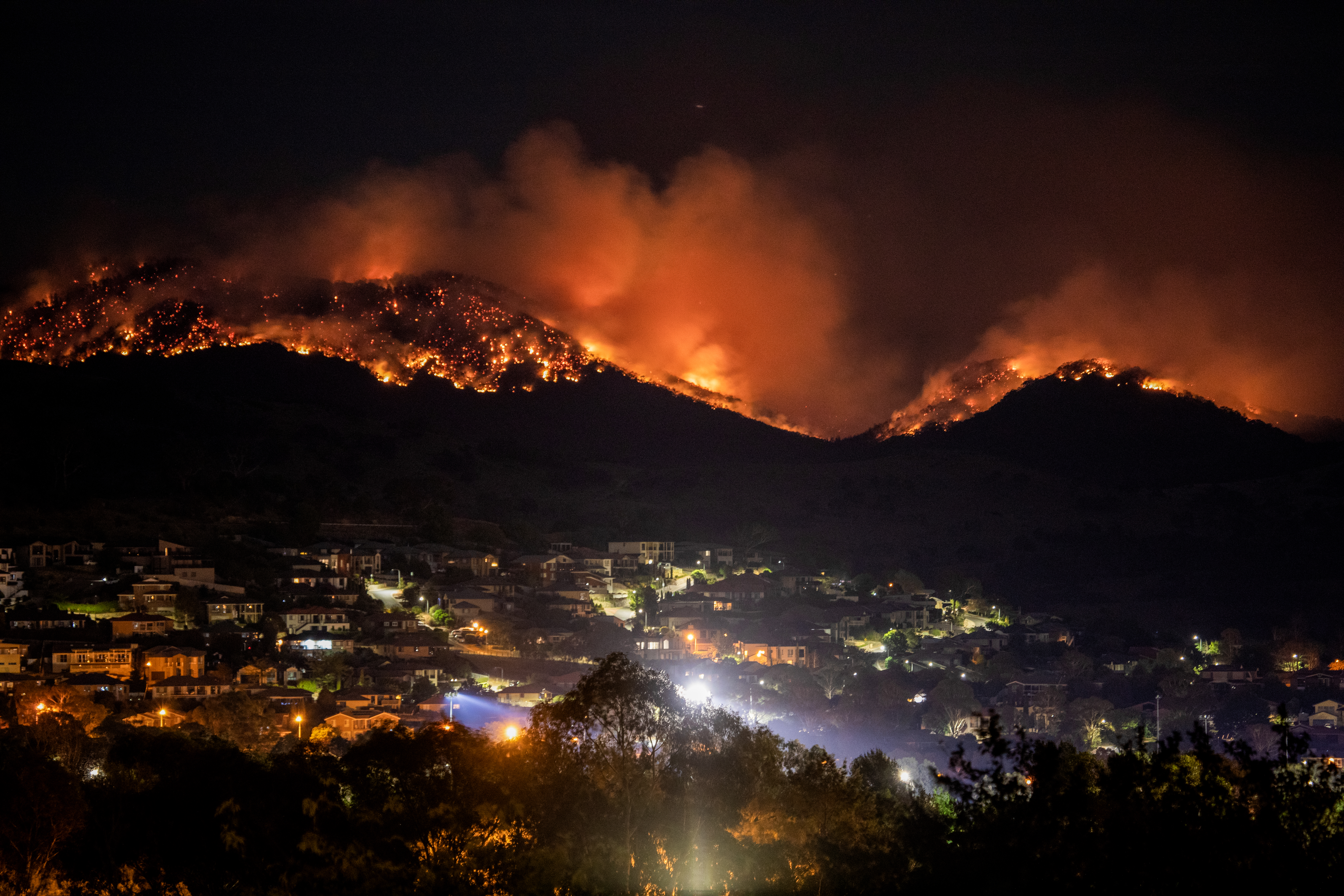
- Right to life: Heatwaves, bushfires, floods and storms can be deadly. Extreme heat already causes more deaths in Australia than any other natural hazard.
- Right to health: Rising temperatures increase disease, worsen mental health and make it harder to access healthcare during disasters.
- Right to water: Droughts and floods can contaminate water supplies and reduce access to clean drinking water.
- Right to food: Climate change affects farming and fishing, making food more expensive and harder to get.
- Right to housing: Homes are being damaged or destroyed by extreme weather. Some areas may soon become unliveable.
- Right to work: Jobs in farming, tourism and fossil fuels are at risk. A fair transition to clean energy is essential to protect workers.
- Rights of Aboriginal and Torres Strait Islander people: Climate change threatens deep cultural connections to land and sea, traditional practices and sacred sites.
- Rights of children: Young people will live with the impacts of climate change longer than anyone else. It affects their health, education and future.
Climate action must be fair
The way we respond to climate change also affects human rights. For example:
- Switching to clean energy creates jobs and improves health, but workers in coal and gas need support to transition.
- Preparing for disasters saves lives - yet vulnerable communities often get less help.
- Some people face higher energy costs or have fewer chances to speak up about climate decisions.
That’s why we need a just transition - one that’s fair, inclusive and protects everyone’s rights.
Putting people first in climate action
A human rights-based approach means:
- listening to communities.
- making sure no one is left behind.
- sharing responsibilities fairly.
- creating long-term, sustainable solutions.
This approach helps governments and businesses make better decisions that protect people and the planet.
What the Commission is doing
The Australian Human Rights Commission is working to make sure climate policies protect people’s rights. We:
- promote fair and inclusive climate policies
- support communities affected by climate change
- push for stronger laws to reduce emissions and protect vulnerable groups
- educate the public about climate justice and human rights.
Human rights on a warming Earth (2025)
Discover how climate change impacts human rights in Australia and urgent actions needed from government and business to protect vulnerable communities.
Related content
- Read our report: Human Rights on a Warming Earth
- Read our submission: Duty of Care and Intergenerational Climate Equity
- Read our submission: General Comment 26 on children's rights and the environment with a special focus on climate change
- Read our submission: Information Integrity on Climate Change and Energy


